Featured
Little Known Facts About Steps You Can Take to Rebuild Yo...
All About Establishing a Healthy Budget That Protects You

Top Guidelines Of Pricing Transparency to Avoid
Table of Contents
That liberates cash in the short-term, and you might have 3 to 4 years to save toward the negotiation amount. Very dangerous to credit rating, mainly due to missed out on payments and an unfavorable "resolved" mark that might remain on your credit scores record for up to 7 yearsMay be only option if various other choices (financial obligation loan consolidation, balance transfer charge card, debt forgiveness) aren't possibleTypically calls for a cost to the third celebration, which could balance out some or every one of the financial savings from debt settlementMay aid you prevent insolvency if you've missed out on numerous paymentsNot all financial institutions function with debt negotiation business Financial debt mercy might be right for you if you are experiencing an economic challenge that makes it nearly difficult to pay for your financial debt balances.
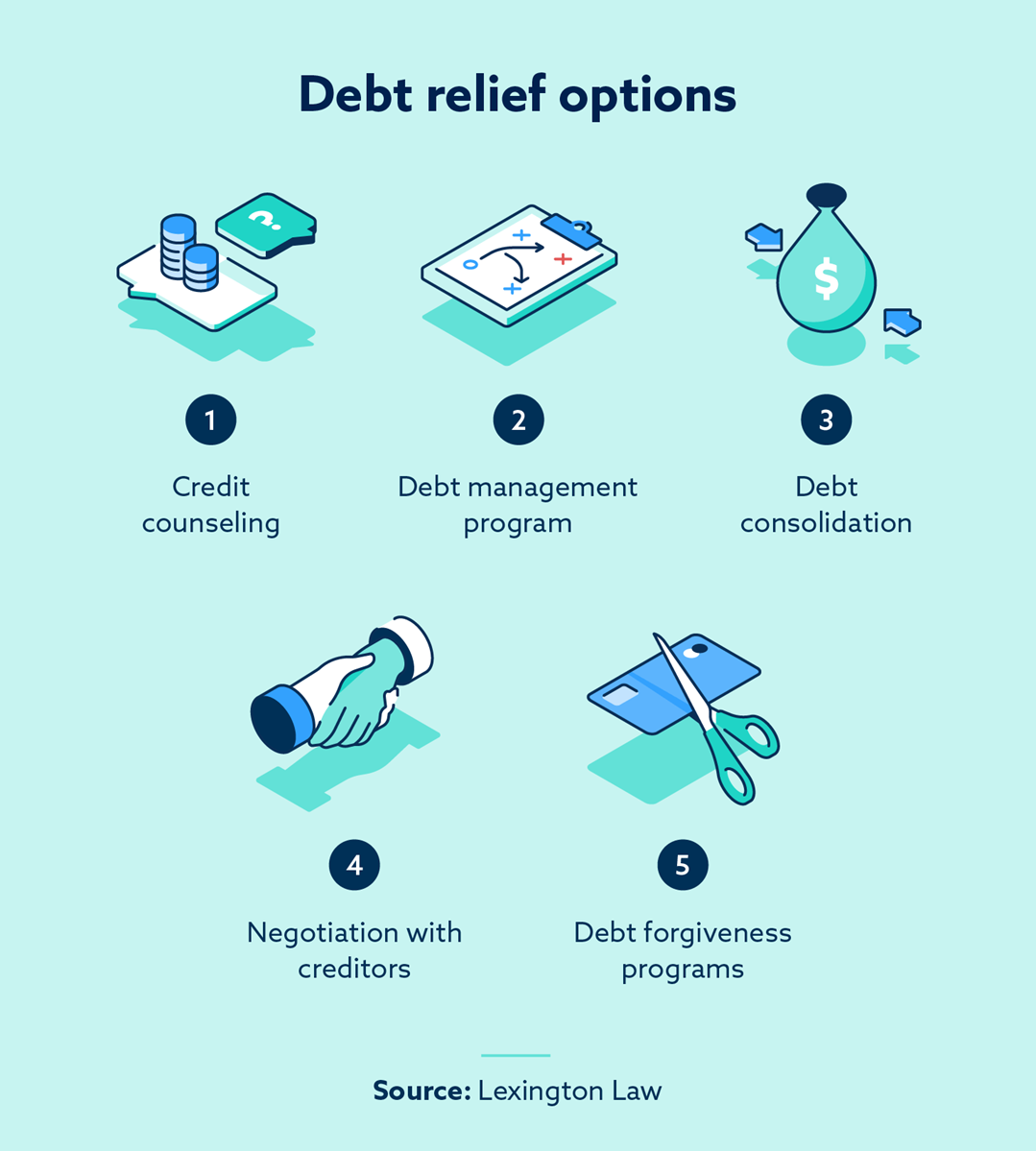
With a DMP, you make one regular monthly payment to the debt counseling agency. Those funds are after that dispersed to lenders of your unsafe financial obligations, such as bank card and installment loans. The firm works with your financial institutions to reduce interest rates or forgo fees, however some creditors might refuse such concessions.
A financial debt combination funding combines your qualified financial debts right into one brand-new lending. It can help you pay down financial debt if you have the ability to secure a financing price that's less than the ordinary rate of the accounts you're settling. You have to abstain from racking up financial obligation on those newly cleared accounts or your financial obligation could expand even greater.
:max_bytes(150000):strip_icc()/debtrestructuring.asp_final-a64fcb2c01704710bc55061e4304ce7d.png)
That provides you lots of time to eliminate or considerably lower your equilibrium while making interest-free payments.
Unknown Facts About Certified Guidance Preserves What You've Earned
You might require it if your lender or a collection firm ever before tries to collect on the financial obligation in the future. When a lender forgives $600 or more, they are needed to send you Type 1099-C.
Financial debt mercy or negotiation usually hurts your credit. Anytime you settle a debt for less than you owe, it might look like "worked out" on your credit history report and impact your credit history for 7 years from the day of settlement. Your credit can additionally go down substantially in the months leading to the forgiveness if you drop behind on repayments.
The 9-Minute Rule for Unexpected Charges That Reputable Providers Eliminate
This situation usually results from underreporting income, not filing returns on time, or inconsistencies located during an Internal revenue service audit. The effects of building up tax obligation financial debt are major and can include tax liens, which provide the IRS a lawful claim to your home as protection for the financial obligation.
Greater rate of interest on offered credit scores. Salaries and Financial institution Accounts internal revenue service can levy (confiscate) earnings and savings account to please the financial obligation. Decreased earnings and disruption of vital economic procedures. Residential property Seizure In severe situations, the IRS can seize and market residential or commercial property to cover the financial obligation. Loss of useful possessions and potential variation.
Anxiety, stress and anxiety, and other psychological health problems. Social Stigma Dealing with legal activity from the IRS can lug social stigma. Damages to reputation and connections. Work Opportunities A poor debt score due to exhaust debt can limit work opportunities. Trouble finding or keeping a task. Federal government Benefits Tax obligation financial debt might influence eligibility for government advantages, such as Social Safety and Medicaid.
Some Known Facts About Immediate Advice Following Debt Forgiveness.
The OIC considers several factors, including the taxpayer's earnings, expenses, asset equity, and capability to pay. Effectively discussing an OIC can be complicated, needing a complete understanding of the internal revenue service's guidelines and a strong debate for why your offer straightens with your capability to pay. It's essential to keep in mind that not all applications are approved, and the process requires detailed monetary disclosure.
The internal revenue service evaluates your general financial scenario, including your earnings, expenditures, asset equity, and ability to pay. You should likewise be present with all filing and repayment demands and not remain in an open personal bankruptcy proceeding. The internal revenue service also considers your compliance history, examining whether you have a record of prompt declaring and paying tax obligations in previous years.
An Unbiased View of Debtor Protections Under Bankruptcy Law
The application process for an Offer in Compromise entails numerous detailed actions. First, you need to complete and submit internal revenue service Kind 656, the Deal in Concession application, and Type 433-A (OIC), a collection information declaration for people. These types require detailed monetary information, including information about your earnings, debts, costs, and assets.
Back taxes, which are unpaid tax obligations from previous years, can considerably boost your total internal revenue service debt otherwise resolved without delay. This financial obligation can accrue passion and late settlement fines, making the original quantity owed much larger over time. Failing to pay back tax obligations can lead to the internal revenue service taking enforcement actions, such as providing a tax lien or levy versus your residential or commercial property.
It is necessary to attend to back tax obligations immediately, either by paying the total owed or by preparing a layaway plan with the IRS. By taking aggressive actions, you can prevent the accumulation of additional interest and penalties, and avoid more aggressive collection activities by the internal revenue service.
One typical reason is the belief that the taxpayer can pay the sum total either as a round figure or via a repayment plan. The internal revenue service also considers the taxpayer's revenue, expenses, property equity, and future earning possibility. If these factors indicate that the taxpayer can afford to pay greater than the provided amount, the internal revenue service is likely to turn down the deal.
Why Denying to Pursue Debt Help Makes Things Harder Fundamentals Explained
It is critical to give exact and complete info in your application and to speak with a tax professional to boost the opportunities of acceptance. Handling IRS financial obligation can be intricate and challenging. Tax experts, such as Certified public accountants, tax lawyers, or enrolled representatives, can supply very useful aid. They have the experience to browse the complexities of tax law and internal revenue service procedures.

Table of Contents
Latest Posts
Little Known Facts About Steps You Can Take to Rebuild Your Life.

All About Establishing a Healthy Budget That Protects You
Top Guidelines Of Pricing Transparency to Avoid
More
Latest Posts
Little Known Facts About Steps You Can Take to Rebuild Your Life.
All About Establishing a Healthy Budget That Protects You
Top Guidelines Of Pricing Transparency to Avoid